
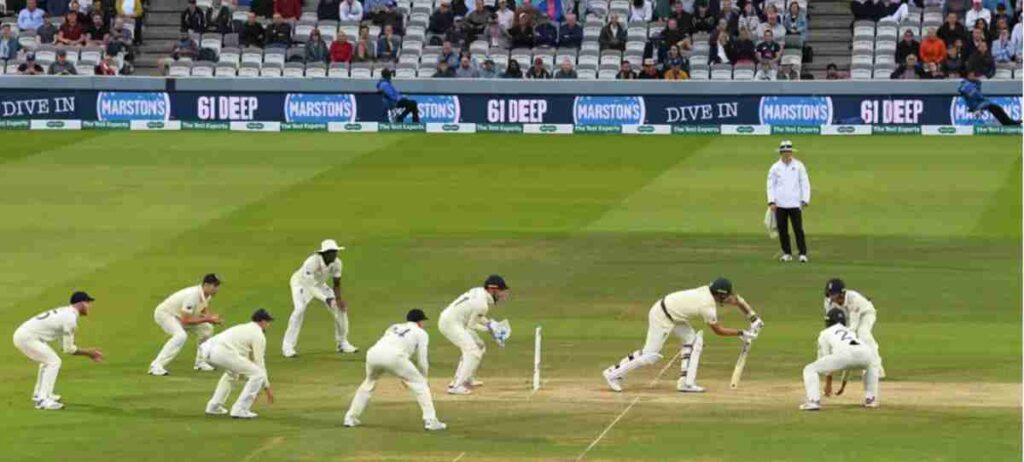
Cricket can look confusing at first glance. The field is oval, the match can last hours or even days, and the scoreboard seems packed with numbers that are not immediately intuitive. Yet once you understand the core rules, cricket becomes one of the most strategic and engaging sports to follow. This guide breaks down the essential rules every fan should know, focusing on concepts that directly shape how matches are played and decided.
The Basic Objective of the Game
At its core, cricket is about scoring more runs than the opposing team while dismissing their batters. Two teams take turns batting and bowling, and the structure of those turns depends on the format being played.
Before diving into details, it’s important to understand that cricket is governed by a balance between scoring and risk. Every run scored increases pressure on the fielding side, but every attacking shot increases the chance of dismissal.
Runs and How They Are Scored
Runs are the basic unit of scoring in cricket. A run is scored when the two batters successfully run between the wickets after hitting the ball. Additional runs can be awarded automatically when the ball reaches the boundary.
There are also extras, which are runs not credited to the batter. These include wides, no-balls, byes, and leg byes. Extras can play a significant role in close matches, as they add to the total without consuming legal deliveries.
Overs and Legal Deliveries
An over consists of six legal deliveries bowled by one bowler. Once an over is completed, another bowler delivers the next over from the opposite end of the pitch.
Illegal deliveries, such as wides and no-balls, do not count toward the six balls in an over and result in extra runs. Understanding overs is crucial because they define pacing, strategy, and resource management across all formats.
Dismissals: How Batters Get Out
A large part of cricket’s drama comes from dismissals. Each team has a limited number of wickets, usually ten per innings, and once they are all lost, the batting side’s turn ends.
Dismissals are governed by clear rules, but their interpretation can vary based on positioning, timing, and decision-making.
Common Types of Dismissals
The most frequent dismissal is bowled, where the ball hits the stumps and dislodges the bails. Caught dismissals occur when a fielder catches the ball before it touches the ground.
Leg Before Wicket (LBW) is more complex. A batter can be out if the ball strikes their leg in line with the stumps and would have hit them, subject to several conditions that umpires must evaluate.
Run Outs and Stumpings
Run outs happen when fielders break the stumps while the batter is outside their ground attempting a run. Timing and coordination are critical, making run outs some of the most exciting moments in cricket.
Stumpings occur when the wicketkeeper removes the bails while the batter is out of their crease and not attempting a run. This usually happens against spin bowling and requires quick reflexes.
Match Formats and Their Rule Variations
Cricket is played in multiple formats, each with its own rhythm and tactical priorities. While the core rules remain the same, formats differ in length, pacing, and scoring urgency.
Understanding formats helps fans interpret why teams behave differently from one match to another, even under the same laws of the game.
Test, ODI, and T20 Cricket
Test cricket is the longest format, played over up to five days with no limit on overs per innings. Teams must manage fatigue, pitch changes, and long-term strategy.
One Day Internationals (ODIs) limit each team to 50 overs, while T20 matches allow only 20 overs per side. Shorter formats encourage aggressive batting and innovative bowling, leading to faster scoring and higher risk.
Powerplays and Fielding Restrictions
In limited-overs cricket, powerplays restrict how many fielders can be placed outside the inner circle. This rule is designed to encourage attacking play early in the innings.
Powerplays dramatically affect scoring patterns and are often the phase when teams accelerate run rates. Because of this, fans who understand powerplay rules can better anticipate momentum shifts during a match. This deeper reading of the game is one reason cricket analysis has become popular across entertainment-focused communities and sports platforms such as lemoncasino, where tactical insight adds another layer to match viewing.
The Role of Umpires and Technology
Umpires are responsible for enforcing the laws of cricket, but modern technology has changed how decisions are made and reviewed. This has added both precision and controversy to the game.
Before exploring specific tools, it’s worth noting that human judgment still plays a central role, even in the era of advanced replay systems.
On-Field Decisions and Signals
On-field umpires make immediate decisions on dismissals, boundaries, and no-balls. They communicate these decisions through standardized hand signals that fans learn to recognize over time.
Understanding umpire signals helps viewers follow the game without relying solely on commentary, especially during fast-paced moments.
Decision Review System (DRS)
DRS allows teams to challenge certain on-field decisions using technology such as ball tracking and edge detection. Each team has a limited number of reviews per innings.
The system adds a strategic layer to the game, as teams must decide when a decision is worth challenging. Misused reviews can leave teams vulnerable later in the innings.
Scoring, Targets, and Match Results
How a match is won or lost depends on format-specific scoring rules. In most cases, the team with the higher total wins, but ties and draws are also possible outcomes.
Understanding scoring context is essential to appreciating why teams make certain tactical choices late in a match.
Chasing vs. Setting a Target
When batting second, teams know exactly how many runs are required to win. This is called chasing a target. Batting first involves setting a total that the opposition must surpass.
Each approach has advantages depending on pitch conditions, weather, and team composition.
Ties, Draws, and Super Overs
In limited-overs cricket, tied matches can be decided by a Super Over, a one-over shootout. In Test cricket, matches can end in a draw if time runs out before a result is achieved.
| Match Situation | Possible Outcome |
| Limited overs tie | Super Over or tie |
| Test match with time remaining | Win or loss |
| Test match without time | Draw |
Conclusion
Cricket’s rules may seem complex, but they follow a logical structure built around balance, strategy, and adaptability. Once fans understand how runs are scored, wickets are taken, and formats shape behavior, the game becomes far more accessible and rewarding to watch.
Mastering these essential rules does not require memorization. It comes naturally with attention and context, transforming cricket from a confusing spectacle into a deeply engaging sport.