

What is Economy Rate in Cricket and How is it Calculated?
The economy rate is measured by dividing the number of runs a bowler gives away by the number of overs bowled.
The economy rate is measured by dividing the number of runs a bowler gives away by the number of overs bowled.

A cricket player’s bowling average is the number of runs they concede per wicket taken. It is a measure to determine how well a bowler did.

The batting average is one of the most crucial parts of a batter’s statistical analysis. It helps in determining a batsman’s consistency.

The strike rate is a measure typically used to provide a fairly clear picture of a cricketer’s career, be it a batsman or a bowler.

If an opening batter remains unbeaten while their team is bundled out at the end of the inning, that instance is termed ‘carrying the bat’.

In this comprehensive article, let’s discuss how a cricket match can be won, whether it is a test match, an ODI, or a T20 match.
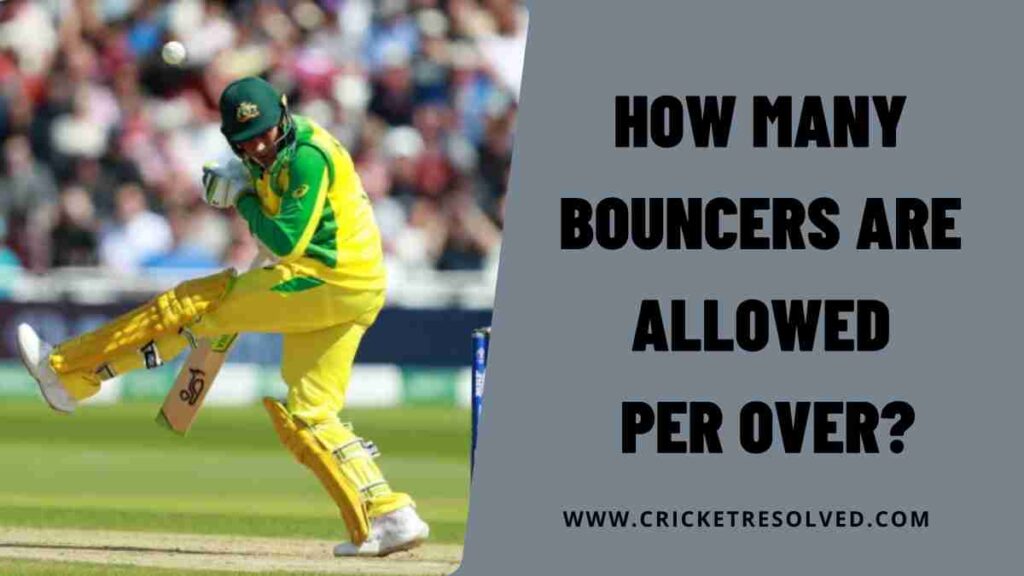
Want to know how many bouncers are allowed per over in cricket? Here’s a breakdown of the bouncer rule applied in each format.

The demerit points in cricket are used to punish players for frequently violating the code of conduct. The points are split into 4 levels.

Cricket has 3 different balls, each with its own characteristics. But which cricket ball generates more swing? Let’s find out the answer.

Virat Kohli is an Indian cricketer and the former captain of the Indian national team. His net worth is around Rs. 1050 crores!