
The controversy surrounding Mustafizur Rahman in the 2026 IPL has become a defining moment in modern sports diplomacy, where the boundaries between cricket and regional politics have completely dissolved. What began as a record-breaking auction result quickly spiraled into a regional crisis involving national boards and government ministries. This episode highlights how deeply cricket is woven into the geopolitical fabric of South Asia—an intensity that drives massive public engagement and live analysis on platforms like Mostbet during major cricketing shifts.
The ₹9.20 Crore Signing and Sudden Exit
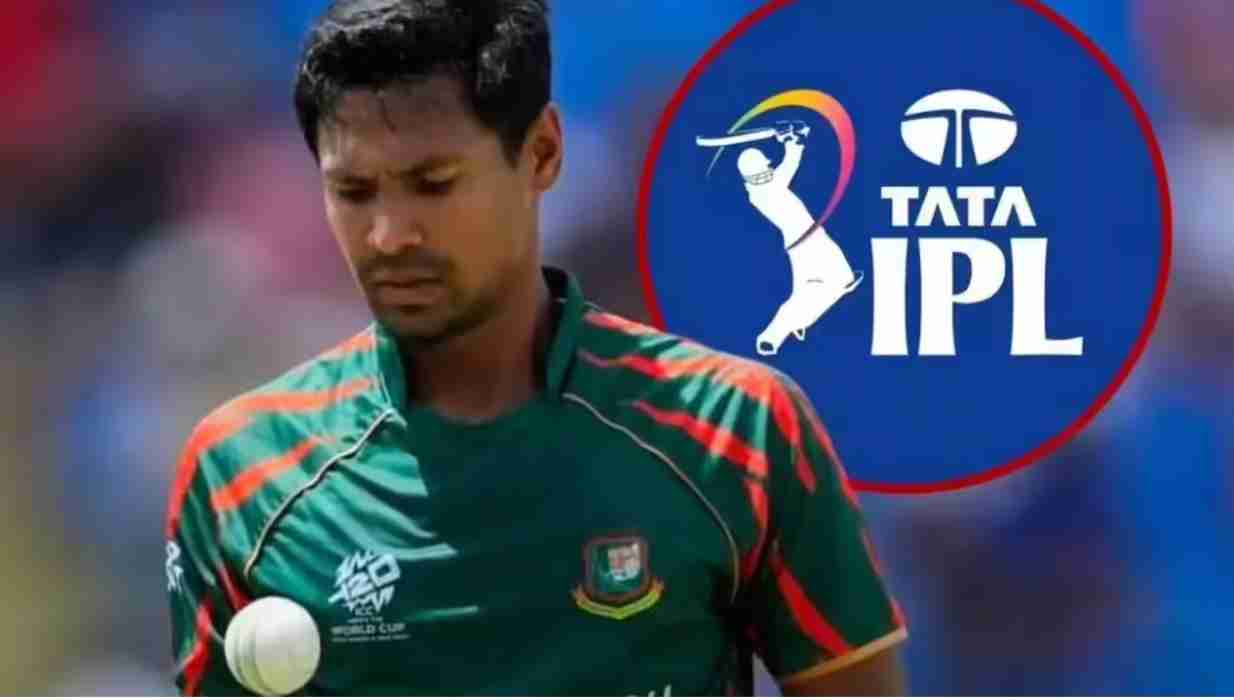
The scandal began just weeks after the December 2025 mini-auction, where the Kolkata Knight Riders (KKR) signed Mustafizur Rahman for a staggering ₹9.20 crore, making him the most expensive Bangladeshi player in history. However, on January 3, 2026, the situation took a sharp turn when the BCCI formally directed KKR to release him from the squad.
While the board cited “recent regional developments,” it was widely reported that the decision was a response to intense political pressure in India. KKR management, despite their massive investment, was forced to comply, leaving a significant gap in their bowling attack and sparking a firestorm of media coverage across the border.
Fan Backlash and the IPL Broadcast Ban
In Bangladesh, the media and fans framed the removal as a direct insult to national pride. Unlike previous years where departures were due to injuries or scheduling, this was viewed as a targeted exclusion. The backlash was swift and institutional:
- The Broadcast Ban: Bangladesh’s Ministry of Information and Broadcasting officially banned the telecast of the IPL 2026 season within the country.
- Nationalist Sentiment: Social platforms saw a massive surge in boycott campaigns, with fans moving their attention toward alternative leagues.
- Media Boycott: Several major Bangladeshi news outlets announced they would no longer cover IPL-related scores or updates.
Diplomatic Escalation and the T20 World Cup Crisis
The “Mustafizur Row” quickly transcended club cricket, leading to the most significant disruption in ICC history. Citing security concerns and the “disrespectful treatment” of their star player, the Bangladesh Cricket Board (BCB) withdrew from the 2026 T20 World Cup matches scheduled to be held in India.
The ICC ultimately rejected the BCB’s request to move the matches to Sri Lanka, leading to Scotland being named as Bangladesh’s replacement for the tournament. This unprecedented move left the global cricket community in shock, as fans and analysts rushed to manage their accounts and engagement through Mostbet Pakistan to track the shifting odds of a World Cup now missing a core South Asian participant.
The Pivot to the PSL
As the doors to the IPL closed, a new chapter opened for “The Fizz.” In February 2026, Mustafizur signed a direct contract with the Lahore Qalandars for the Pakistan Super League (PSL).
The Great Shift: IPL vs. PSL (2026)
| Feature | IPL 2026 (Kolkata Knight Riders) | PSL 11 (Lahore Qalandars) |
| Contract Value | ₹9.20 Crore (INR) | ₹2.08 Crore (INR approx.) |
| Status | Terminated by BCCI Directive | Direct Pre-Auction Signing |
| Role | Premier Death-Overs Specialist | “Return of the Family” / Global Star |
| Outcome | Full Refund to KKR Purse | 77% Pay Cut for Mustafizur |
- Financial Reality: Though the PSL contract (approx. ₹2.08 crore) was a 77% drop from his KKR valuation, the move was seen as a strategic alliance.
- Regional Support: Pakistan’s vocal support for Bangladesh during the World Cup venue crisis further solidified this shift in the cricketing power structure of South Asia.
Can Cricket Ever Be Apolitical?
The Mustafizur Rahman incident of 2026 serves as a stark reminder that in South Asia, cricket is never “just a game.” It is a mirror of national identity and diplomatic health. Administrators continue to strive for an apolitical sport, but as long as player contracts can be dissolved by government directives, genuine neutrality remains an elusive dream. For the players, they must now navigate a landscape where their performance on the field is often secondary to the political climate off it.